
In today’s fast-paced digital world, understanding consumer behavior is crucial for businesses to thrive. Traditional marketing techniques often rely on guesswork and intuition. However, a new field called neuromarketing is revolutionizing the way we understand and influence consumer decisions.
What is Neuromarketing?
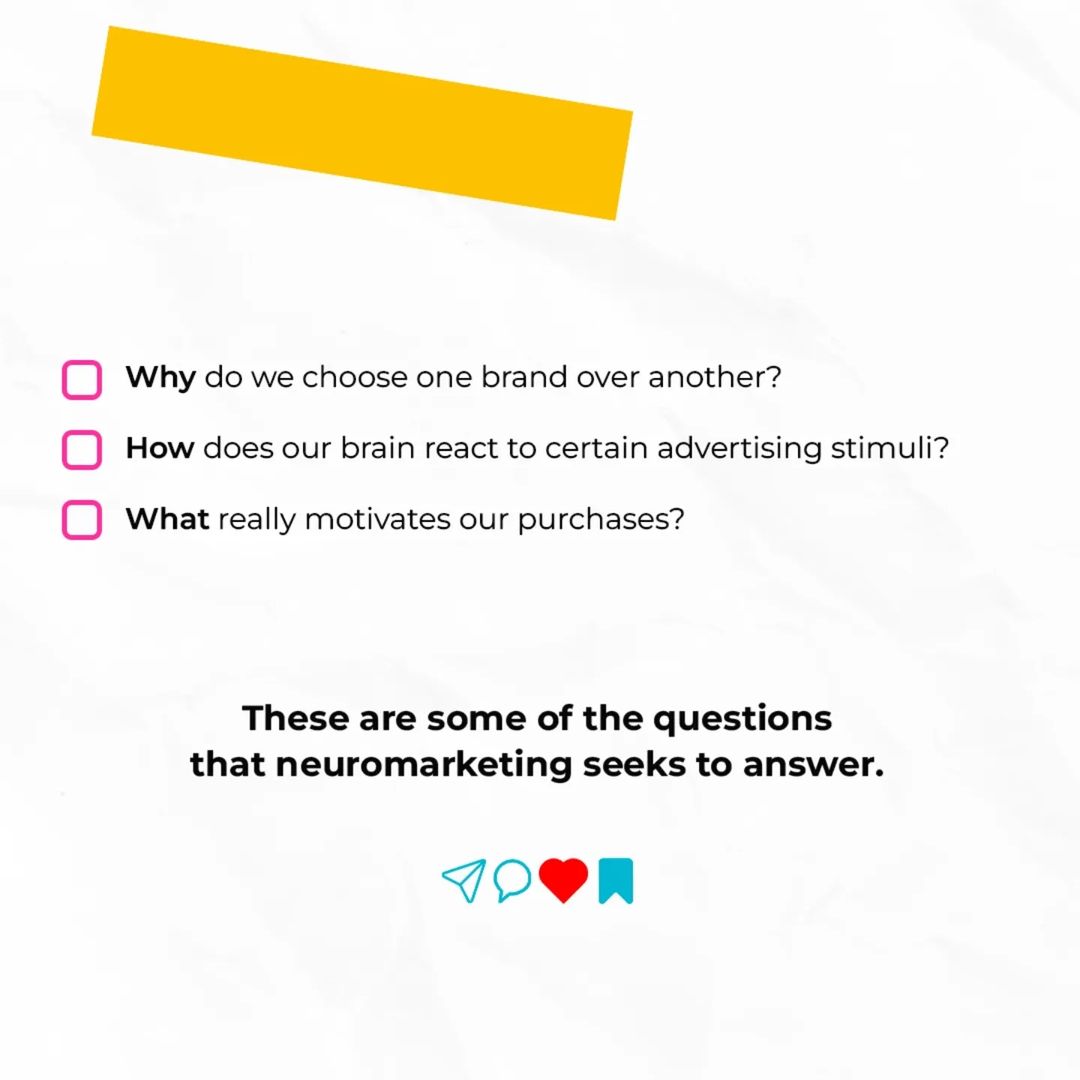
Neuromarketing is an interdisciplinary field that combines neuroscience, psychology, and marketing. It uses scientific methods to study how the brain responds to marketing stimuli, such as advertising, branding, and product design. By understanding the underlying neural processes, marketers can create more effective campaigns that resonate with consumers on an emotional level.
How Does Neuromarketing Work?
Neuromarketing techniques involve the use of various tools and technologies to measure brain activity and physiological responses, including:
- Electroencephalography (EEG): Measures brain waves to assess cognitive processes and emotional responses.
- Functional Magnetic Resonance Imaging (fMRI): Tracks blood flow in the brain to identify areas activated by specific stimuli.
- Eye-tracking: Monitors eye movements to understand visual attention and preferences.
- Galvanic Skin Response (GSR): Measures changes in skin conductivity to assess emotional arousal.
By analyzing these physiological responses, neuromarketers can gain insights into consumer preferences, decision-making processes, and brand perceptions.
Key Neuromarketing Techniques
- Emotional Branding:
- Creating Emotional Connections: By evoking emotions like joy, nostalgia, or fear, brands can create a deeper connection with consumers.
- Storytelling: Engaging storytelling can captivate audiences and create memorable brand experiences.
- Subliminal Messaging:
- Subtle Influence: Subliminal messages can subtly influence consumer behavior without their conscious awareness.
- Ethical Considerations: It’s important to use subliminal messaging ethically and responsibly.
- Visual Cues:
- Color Psychology: Different colors evoke different emotions and can impact consumer behavior.
- Visual Hierarchy: The arrangement of elements on a page can influence attention and decision-making.
- Sound Design:
- Sound Branding: Creating a unique sound identity can enhance brand recognition and recall.
- Music and Sound Effects: Music and sound effects can evoke emotions and influence purchasing decisions.
The Future of Neuromarketing
As technology continues to advance, neuromarketing is poised to become an even more powerful tool for businesses. By understanding the science behind consumer behavior, marketers can create more effective campaigns that drive results. However, it’s important to use neuromarketing ethically and responsibly, respecting consumer privacy and avoiding manipulative tactics.
In conclusion, neuromarketing offers a valuable perspective on consumer behavior, enabling businesses to make data-driven decisions and create more impactful marketing strategies. By understanding the underlying psychology and neuroscience of decision-making, marketers can unlock the full potential of their campaigns and build lasting relationships with their customers.
Would you like to explore a specific aspect of neuromarketing in more detail? I can provide information on topics such as ethical considerations, practical applications, or the latest research in the field.